











Trade turnover between Belarus and Russia increases eightfold in almost 30 years
Cross-border trade grew by 21 per cent in 2026
-

Photo source: Oleksandr Filon / iStock
Trade turnover between Belarus and Russia has increased almost eightfold over 30 years of integration. This was stated by Yuri Seliverstov, Belarus’s ambassador to Russia. His comments were reported by BelTA, a partner of TV BRICS.
The year 2026 marked the 30th anniversary of the signing of the Treaty on the Formation of the Community of Belarus and Russia. The document laid the foundations for the subsequent creation of the Union State. Yuri Seliverstov described this decision as historic, having set the course for the development of relations between the two states for decades to come.
"Over the past years, mutual market access has enabled a significant increase in trade turnover: it has grown approximately eightfold – from US$6.5 billion in 1996 to nearly US$55 billion in 2025. This is a historic high," said the diplomat
He added that, for the first nine months of 2026, the volume of trade in goods between Belarus and Russia had grown by a further 21 per cent compared with the same period last year.
According to the ambassador, if the current growth trend continues, the annual figure could reach around US$70 billion. Yuri Seliverstov emphasised that, within the trade mix, the share of raw materials and energy is declining, whilst mutual exports of food, consumer goods and services are on the rise.
-
![]()

 Economy23.11.26Russia increases exports of cat and dog food by 25%
-
![]()

 Economy23.11.26Malaysia and Indonesia plan to expand agricultural cooperation and facilitate flow of products
-
![]()
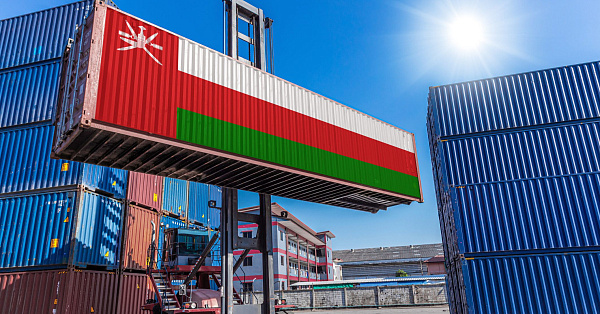
 Economy23.11.26Oman’s port cargo throughput rises by 76.1% in 10 months
-
![]()
 Economy23.11.26Egypt’s fish production reaches 2 million tonnes as natural fisheries account for 21%
-
![]()
 Economy23.11.26Indonesia and Vietnam put 2026–2030 strategic partnership plan into action
-
![]()
 Economy23.11.26UNIDO to bring BRICS industrial cooperation into focus at AIM Global Action Forum 2026











-
![Vladimir Putin]()
 Vladimir PutinRussian President"Russia remains Kyrgyzstan's leading trade partner, accounting for nearly 26 percent of the country's foreign trade. Trade is growing, increasing by over 25 percent last year and reaching a record high in absolute terms"
-
![Arthur Joseph Kurup]() Arthur Joseph KurupMinister of Natural Resources and Environmental Sustainability of Malaysia"International cooperation must now become a stronger driver of decarbonisation efforts, climate resilience building and sustainable development to meet future challenges"
-
![Xi Jinping]() Xi JinpingPresident of the People’s Republic of China"We are ready to work together with Russia and other members of the wider Asia-Pacific family to open up broad prospects for the region and promote its prosperity, joining hands to build an Asia-Pacific community"


